

🐾 Introduction
Waterproof dog beds are essential for pet owners who want to protect their furniture from moisture while providing their pets with comfort.
However, not all waterproof beds are made equal—performance relies heavily on the materials, coatings, and testing procedures used during production.
Leading Dog Bed Manufacturers follow strict standards for waterproofing and wearability, ensuring that their products stand the test of time, even under constant washing and use.
🌊 1. Hydrostatic Head Testing: Measuring Waterproof Performance
Hydrostatic head is the standard test for fabric water resistance, simulating the pressure exerted by a column of water on the bed’s surface.
During the test, the fabric is subjected to water pressure until leakage is detected.
✅ Key Hydrostatic Head Test Parameters:
-
Test Method: ASTM D751 or ISO 811.
-
Test Process: Fabric is exposed to a 30 cm column of water; pressure increases gradually.
-
Passing Grade: Waterproof fabrics must withstand at least 3,000 mm of water pressure before any leakage occurs.
For dog beds, this test ensures the bed’s outer fabric and coating remain impervious to moisture, even during heavy rain or pet accidents.
🧵 2. Wash Cycle Durability: Ensuring Long-Term Performance
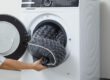
Waterproof dog beds are exposed to frequent washing, so ensuring the fabric maintains its water resistance after multiple cycles is crucial.
The wash cycle durability test measures how the fabric’s waterproof coating holds up through repeated laundering.
✅ Key Wash Cycle Test Parameters:
-
Test Method: ISO 6330 (domestic washing) or ASTM D2496.
-
Test Process: Fabric is washed for 100–200 cycles with detergent, then dried.
-
Passing Grade: Fabric should show no water leakage or loss of color after 100+ wash cycles.
-
Durability Check: Coatings must retain ≥90% of original water resistance after laundering.
This test ensures that the TPU/PE membranes or other waterproof coatings won’t degrade with frequent cleaning.
🧪 3. TPU Membrane Aging: Assessing Long-Term Durability
Thermoplastic Polyurethane (TPU) membranes are commonly used in waterproof dog beds due to their flexibility, durability, and eco-friendly properties. However, TPU can undergo aging over time, which impacts its performance.
✅ Key TPU Membrane Aging Test Parameters:
-
Test Method: ASTM D573 or ISO 188 (Accelerated Aging).
-
Test Process: TPU is subjected to prolonged exposure to heat, humidity, and UV light to simulate long-term environmental exposure.
-
Passing Grade: TPU membranes must retain 80% or more of their original waterproof capacity after 1,000 hours of simulated aging.
This ensures that TPU-coated beds retain their waterproofing capabilities even after prolonged exposure to environmental elements like sun, heat, or moisture.
🧼 4. Seam Sealing and Zipper Testing
Seams and zippers are often the weakest points in waterproof dog beds. Water can easily seep through poorly sealed stitches or unprotected zippers.
Factories use specialized heat-sealing techniques or tape seals to prevent leaks at these critical points.
✅ Key Seam and Zipper Test Parameters:
-
Test Method: ASTM D5330 (Seam Strength) and ISO 2160 (Zipper Durability).
-
Test Process: Seams are subjected to pressure and water while zippers are tested for smooth functionality under 50–100 cycles.
-
Passing Grade: No visible leakage or tension damage during water exposure. Zippers must function correctly even after washing.
Anti-slip base fabrics with waterproof treatment are also tested for fabric adhesion to prevent peeling after prolonged use.
💡 5. Packaging and Product Protection
While waterproofing ensures durability against moisture, the bed’s packaging is just as important.
After manufacturing, vacuum-sealed bags or moisture-proof cartons are used to protect against dampness during transit.
Eco-friendly recyclable packaging helps maintain the bed’s eco credentials while keeping it safe from external moisture.
💬 Conclusion
Ensuring the performance and durability of waterproof dog beds requires more than just quality materials—it demands rigorous testing standards at every production stage.
From hydrostatic head tests to wash cycle durability and TPU aging, professional Dog Bed Manufacturers guarantee that their products withstand the elements and last for years.
By working with trusted Waterproof Dog Beds Manufacturers, retailers and pet brands can offer waterproof beds that meet the highest industry standards for performance and customer satisfaction.
❓ Frequently Asked Questions (FAQ)
Q1: How do you know if a waterproof dog bed is of high quality?
Look for hydrostatic head test results (≥3,000 mm) and wash cycle durability (100+ cycles). Always request detailed test reports from your supplier.
Q2: Are TPU membranes safe for pets?
Yes, TPU is non-toxic, flexible, and often used in pet products due to its eco-friendly, durable properties.
Q3: Can waterproof dog beds be used outdoors?
Yes, provided they are UV-resistant and constructed with high-quality TPU or PE membranes for weatherproofing.